

Real ID Mobile Driver's License: How (And Where) It Works
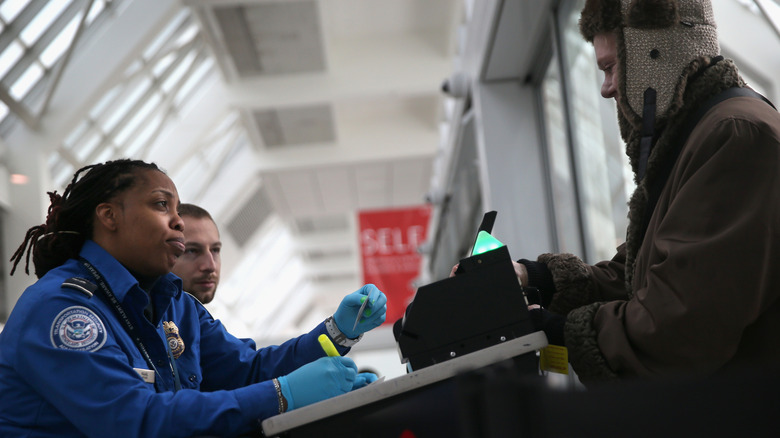
Showing proper identification at the airport typically means fishing it out of a wallet or purse while people in line behind you are doing the same. It can be a hassle, and the airport is already hard enough to deal with as it is. But thanks to the Real ID mobile driver's license (mDL), all you need is your smartphone. Similar to the way you can access iOS 26's digital ID passport feature on an iPhone, the mDL can be quickly opened through your state's app. That way, it's always ready when you need it.
The mDL works by digitally transmitting the information needed for identity verification. But unlike a other digital ID mobile apps, the mDL meets federal Real ID standards. So if you're somewhere the system has been implemented, the equivalent mDL can be used instead of a physical Real ID. Plus, the mobile app will update your mDL in real time, so any changes made to your physical license will be reflected immediately.
The mDL system is new, and mDLs are currently accepted for Transportation Security Administration (TSA) identification in various states, including Arizona, California, New York, and Virginia. As of this writing, only 20 states (and Puerto Rico) accept mDLs. Even if you do live in a state with mDL accessibility, the TSA still advises keeping your physical Real ID with you at all times. While an mDL can technically save you some time, the TSA reserves the right to ask for your physical ID anyway.
Real ID mDL adoption and real-world user protections
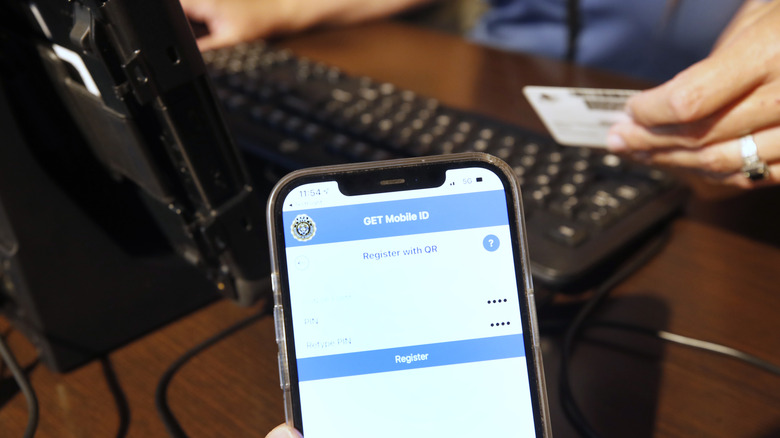
Primary adoption for Real ID mDLs so far are TSA checkpoints, as trying to fly without a federal ID will cost you. However, mDLs are being accepted at the state level, but it varies by the state and the situation. For example, Louisiana has allowed people signing up for disaster food benefits to use their mDLs for identity verification. Other states, like California, are actively conducting pilot programs for wider acceptance of mDLs. But beyond TSA's digital ID system and the continued rise of mDL adoption, questions of user protection should be addressed.
The mDL system is built to adhere to strong cryptographic standards. This has the potential to make them more secure than physical IDs as they're not as easily stolen. Plus, mDL technology allows users to reveal only the specific pieces of information required for identity verification, like the photo and date of birth. So if you're presenting your mDL to a government agency, or even a retailer, personal information like your phone number and email won't necessarily be accessed or stored during the transaction.
As an added measure of protection, states must report any mDL cybersecurity incidents to the TSA within 72 hours. Federal agencies must cooperate within the same time limit as well in situations where accepting an mDL creates a possible security threat. The TSA is dedicated to closely monitoring how each state manages and implements their mDL system to ensure operational security; states are required to communicate to the agency any specific changes in how mDLs are issued within 60 days to maintain the integrity of the system.