

What Are The Rubber Strips On Older Car Doors Really For?
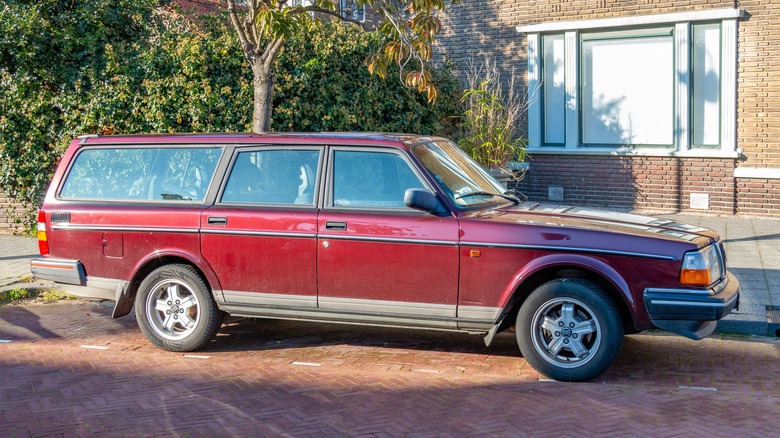
First, let's just clear up a potential point of confusion — we're not talking about rubber door seals; they still very much exist and help keep us warm, dry, and relatively soundproofed in our cars, although you still might need to drain your car doors. Rather, we're looking at the rubber strips that ran along the exterior of many older car models. These are functional parts often referred to by aftermarket suppliers and repair specialists as body side mouldings or door impact protection strips.
Primarily, these were installed on cars for very practical reasons. At the most basic level, they protected the car's door from being damaged in low-speed impacts, door-to-door contacts in car parks, or other such accidents. By absorbing these light knocks, an impact strip could prevent the paint from being damaged or stop the thin door panels from being dented. This begs the question — Do modern cars not have low-speed impacts or similar mishaps? Of course, they do, but the technology of cars has moved on, and modern cars are more capable of shrugging off such instances without a rubber bumper to protect them.
One area where technology has helped to negate the need for these rubber strips is the paint used by vehicle manufacturers. Modern cars use advanced protection technologies like ceramic coatings, paint protection films, and coatings to prevent rust. They also offered a simple and inexpensive way to add protection without major changes to the door structure. Let's take a closer look at why older cars had rubber strips on their doors.
Why those rubber strips mattered more than you think

Sometimes it's the simple things in life that are easy to overlook, like — what the rubber strips attached to your car roof are for? Rubber door strips fall into this category. Despite this simplicity, these strips did far more than just protect vehicles from the odd carpark prang.
On many models, these strips acted as a first line of defence against minor knocks that would otherwise chip paint or dent thin door skins. While no one likes a dent in their car, a chipped paint job could quickly corrode if bare metal is exposed, especially in regions with wet weather or where winter road salt is commonly used. In short, a simple raised rubber strip was often enough to take the force of a light contact and protect the steel underneath.
However, this wasn't always their only purpose. These moldings could also help reduce noise and vibration, since rubber provides a natural damping effect. Trim suppliers also note that exterior trim elements could contribute to a vehicle's overall structural integrity. Of course, the aesthetics of a vehicle could be improved with the addition of such trim. What might appear to be a simple strip to protect the car is actually doing a surprising amount of work in day-to-day driving.
Why modern cars don't use those old-style strips as often
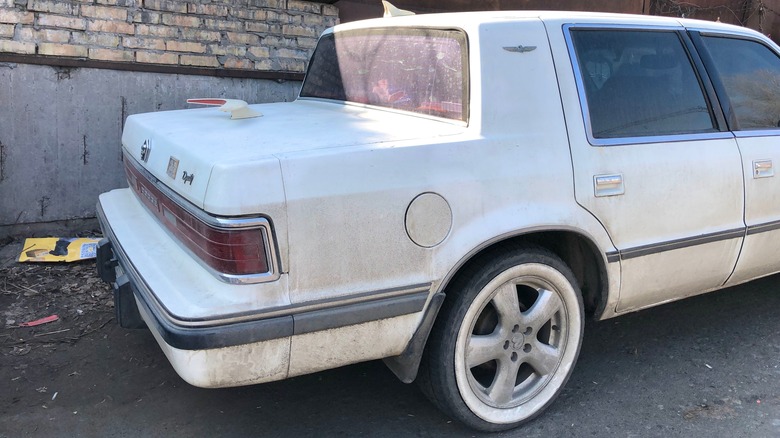
While the rubber impact strips had distinct purposes on older cars, they've largely disappeared from modern designs. This is not because we've all become more careful drivers; it's more to do with how car technology has evolved. Starting with paint durability, modern vehicles rely on multi-stage paint systems, harder clear coats, and galvanised steel panels that offer far more protection against rust than the finishes used several decades ago. With the metal more protected from the outset, the need to protect the paintwork is no longer as essential as it once was.
The design of the doors has also evolved. Older cars featured relatively simple doors, and rubber trims were a cost-effective and practical method of protecting the vehicle from the rigors of everyday driving. By contrast, modern car doors are made from advanced materials that include composite materials and, in a few cases, carbon fiber. Additionally, car doors became more aerodynamically shaped, which left little room for chunky exterior strips.
This doesn't mean that the protection has vanished though; it's simply better hidden and more integrated. Paint protection film, slim door-edge guards, and color-matched plastic moldings all offer similar benefits without slapping a rubber strip on the door. The goal is the same as ever — minimise small dents and chips — but the solutions have become far more discreet than the rubber strips of earlier generations.